
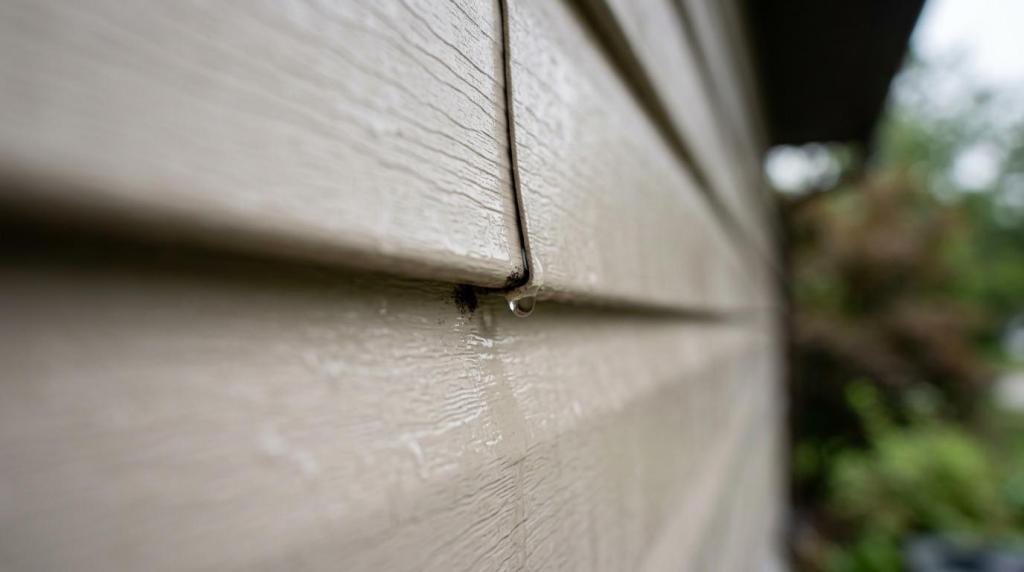
Vinyl siding can look durable enough to handle anything, yet humidity changes the cleaning picture more than many property owners expect. A house may be washed thoroughly in the morning and still show uneven drying, faint organic staining, or fast regrowth if moisture lingers on the surface afterward.
That matters in Lexington, South Carolina, where warm air, shaded lots, summer storms, and long stretches of sticky weather create ideal conditions for algae and mildew. On homes near Lake Murray, under dense tree cover in White Knoll, or along older streets with limited airflow, humidity often becomes the hidden factor behind disappointing siding cleaning results.
How humidity affects vinyl siding cleaning results
Humidity does two things at once. First, it feeds the biological growth that makes siding look dirty in the first place. Second, it slows drying after the wash, which can give mildew and algae a better chance to return.
Official mold guidance from the EPA centers on moisture control, prompt cleanup, and drying cleaned surfaces. That applies indoors and outdoors. On vinyl siding, the visible issue is often green algae, black streaking, or mildew spotting. The less visible issue is that damp exterior surfaces stay hospitable to new growth.
High humidity does not automatically mean a cleaning job will fail. It means the process has to be more deliberate. The right cleaning solution, soft-wash approach, careful rinsing, and enough drying time can still produce excellent results.
Why Lexington SC humidity leads to more mildew and algae on siding
The Midlands has a climate that encourages buildup on exterior surfaces. Heat alone is not the main problem. Heat plus moisture is where siding starts to struggle.
Summer conditions around Lexington often include humid mornings, pop-up afternoon rain, and long periods when siding never fully dries on the shaded side of the home. North-facing walls, areas behind shrubs, and sections near downspouts tend to stay damp longer. That is why one side of a house off Old Cherokee Road may look relatively clean while the back elevation looks green and streaked.
Certain local conditions make buildup more likely:
- heavy tree shade
- poor airflow between houses
- sprinkler overspray
- clogged gutters
- lots near water or drainage areas
Commercial buildings see a similar pattern. Storefronts near Sunset Boulevard or busier corridors can collect grime from traffic film, then hold moisture around trim lines and lower wall sections. Once organic growth gets a foothold, humidity helps it spread.
How moisture changes the vinyl siding cleaning process
Humidity affects more than regrowth. It also changes how cleaning solutions behave on the wall and how long the siding stays wet after rinsing.
Mildew on vinyl siding is commonly addressed with water and a mild detergent. Extension guidance also points to a simple but smart technique: wet the surface first, wash from the bottom up to reduce streaking, and rinse the sudsy area right away rather than letting it dry on the siding. That sequence matters even more in humid weather, when moisture can hang in the air and slow evaporation.
A slow-drying surface sounds harmless, but it creates several problems. Cleaning residue may sit longer than intended. Dirt can redeposit if rinsing is weak. Trapped moisture around overlaps, trim edges, and shaded corners can also shorten the time between cleanings.
| Humid weather factor | What happens on vinyl siding | Better cleaning response |
|---|---|---|
| High ambient moisture | Algae and mildew grow faster | Clean growth early before staining deepens |
| Slow drying after rinsing | Surface stays damp longer | Allow more drying time and improve airflow where possible |
| Shade plus humidity | One side of the home stays wet | Focus on north-facing and heavily shaded walls |
| Repeated rain or sprinkler contact | Fresh growth returns sooner | Address water sources along with cleaning |
| Heavy organic buildup | Standard rinsing may not be enough | Use a low-pressure methods and thorough rinse |
This is also why aggressive pressure is not the answer. Vinyl siding should be cleaned, not blasted. Excessive pressure can force water behind panels, which adds even more moisture to a system already dealing with humid conditions.
Best vinyl siding cleaning methods for humid weather
For most homes, a soft-wash approach is the safer and more effective choice. It relies on appropriate cleaning solutions and controlled pressure rather than raw force. That helps remove dirt, mildew, and algae while reducing the risk of damage to siding, trim, seals, and nearby landscaping.
A humid climate rewards consistency over speed. If the goal is curb appeal, the process should remove biological growth, rinse residues fully, and give the siding the best chance to dry. A rushed wash on a damp day may look fine at first glance, then fade quickly as stains reappear.
A practical approach usually includes the following:
- Pre-wet the surface: Helps cleaning agents spread more evenly and reduces streaking
- Use the right cleaner: Mild detergent-based washing is standard for vinyl siding, with treatment matched to the type of buildup
- Wash from the bottom up: A proven way to limit dirty runoff marks
- Rinse promptly: Suds and loosened grime should not be left to dry on the wall
- Let the siding dry fully: Moisture left on the surface supports faster regrowth
This is where climate knowledge helps. In neighborhoods with mature trees, like parts of Golden Hills or older sections around downtown Lexington, the shaded side of the house may need extra attention and a slightly different pace. On wide open lots near Red Bank, direct sun can change timing in the opposite direction by warming the wall quickly even when the air still feels damp.
Why complete drying matters after vinyl siding cleaning
Cleaning gets most of the attention, but drying is where results are either preserved or cut short.
The EPA’s moisture-control message is simple: cleaned surfaces should also dry. On vinyl siding, that means avoiding conditions that leave the home wet for too long. If the wash is followed by evening dew, rain, or constant shade, the surface may stay in a moisture-friendly state far longer than expected.
That does not mean every job must happen on a perfectly dry day. It means timing should be intentional. Mid-morning starts often work well because they avoid the heaviest overnight moisture while leaving enough daylight for drying. Homes boxed in by fencing, neighboring structures, or dense landscaping may need even more care in scheduling.
Sometimes the fix is not just another cleaning. It may also involve trimming vegetation, correcting gutter overflow, redirecting sprinklers, or dealing with areas where runoff repeatedly hits the siding.
Signs humidity is hurting your siding cleaning results
A home can be washed and still tell you, pretty quickly, that moisture is winning. The clues are usually visible within days or weeks.
Watch for these patterns after a recent siding wash:
- Fast return of green film on shaded walls
- Black spotting near trim or overlaps: Often points to lingering moisture
- Streaks below gutters or hose bibs: Suggests repeated water exposure
- Uneven appearance from one side of the house to another: Usually linked to sun, shade, and airflow differences
- Persistent damp sections: Common around landscaping, downspouts, and narrow side yards
When those signs show up, the issue is rarely that vinyl siding is “hard to clean.” More often, the surface was cleaned but the moisture conditions around it were left untouched.
When professional vinyl siding cleaning makes more sense
Many homeowners can handle light dirt with routine maintenance. Yet humid-climate staining is often more stubborn than it looks, especially when algae has spread across multiple elevations or the home has several years of buildup.
Professional service becomes more useful when low-pressure methods, proper detergents, and timing all need to work together. That is especially true for taller homes, shaded homes, and properties where water intrusion is a concern. A trained crew can also spot whether the staining is simple surface growth or part of a bigger moisture pattern.
Common situations that call for help include:
- multi-story siding that is difficult to reach safely
- recurring mildew despite recent cleaning
- delicate areas around windows, vents, and trim
- commercial buildings that need minimal disruption
- heavy staining near gutters, soffits, or roof runoff paths
In severe cases, persistent mold growth may point to a larger issue that needs specialized assessment. If staining is extensive, keeps returning rapidly, or appears tied to drainage or structural moisture, it is wise to bring in an experienced professional rather than repeat the same wash cycle.
Choosing the best weather window for siding cleaning in the Midlands
In the Lexington and Columbia area, weather timing can be as important as the cleaning method itself.
A good window often means lower morning moisture, no immediate rain, and enough daylight for the siding to dry after rinsing. It also helps to consider each side of the home separately. The wall facing open sun near Augusta Road may behave differently from the shaded rear wall facing a wooded property line.
Humidity is not a reason to put off vinyl siding cleaning. It is a reason to clean with a plan.
For homes around Lake Murray, neighborhoods off Highway 378, or commercial properties near Main Street and Sunset Boulevard, the most durable results usually come from the same basics: remove organic growth safely, rinse thoroughly, and give the siding every chance to dry well. When that happens, vinyl siding stays cleaner longer and looks the way it should, even in a South Carolina summer.