
Algae on an exterior surface often starts as a faint green film that seems easy to ignore. A few wet weeks later, that film can turn into dark streaks on brick, dingy siding, or a slick concrete walkway that feels unsafe underfoot.
The fix is rarely one-size-fits-all. Brick, siding , and concrete each respond differently to water pressure, cleaning agents, and rinse methods. Official masonry guidance points to a sensible rule: begin with the gentlest effective method, test a small area first, and only step up if the surface truly needs more.
Why algae grows fast on Lexington-area brick, siding, and concrete
In Lexington and across the Midlands, algae has the climate it likes. Heat, humidity, summer storms, tree cover, and long stretches of shaded moisture create ideal conditions for biogrowth on exterior surfaces. Homes near Lake Murray, wooded properties off Old Cherokee Road, and lots with dense landscaping around patios and pool decks often see the problem appear sooner.
North-facing walls tend to stay damp longer. So do fence lines, soffits, and lower siding panels near mulch beds or irrigation overspray. Concrete pads and walkways can also stay wet well after a rain, especially in areas with poor drainage or heavy shade. When algae stays active there, the issue shifts from appearance to safety.
That matters for more than curb appeal. For high-end homes, HOA-managed communities, and listings headed to market, algae can make a well-kept property look neglected even when the structure itself is in good shape. On brick and concrete, it can also trap moisture against porous surfaces, which is not something to leave alone for long.
Surface-specific algae removal methods for brick, siding, and concrete
The safest cleaning plan starts with matching the method to the material, not forcing every surface through the same process.
| Surface | Typical algae pattern | Best starting method | Pressure approach | Main risk if cleaned wrong |
|---|---|---|---|---|
| Brick | Green film, dark streaking, growth near mortar joints | Low-pressure water, tested cleaners, soft-bristle agitation when needed | Varies by brick type; soft masonry needs very low pressure | Etching, mortar damage, water intrusion |
| Siding | Green haze, black or gray organic streaks, buildup under soffits | Soft washing with surface-safe cleaning solution | Low pressure only | Oxidation damage, striping, forced water behind panels |
| Concrete | Green film, black spotting, slippery patches | Pre-treatment plus controlled pressure washing | Higher than siding, still controlled | Surface scarring, runoff issues, uneven cleaning |
That table is the short version. The longer version is where many costly mistakes happen.
Brick algae removal methods and pressure limits
Brick can look rugged, but not all brick handles cleaning the same way. Hard-fired brick and newer, dense masonry can take more than soft or older masonry. Painted brick adds another variable because the coating, not just the brick, has to be protected. Mortar joints may be the weakest link even when the face of the brick looks solid.
Official preservation guidance says to start with the least invasive method and test before moving to stronger cleaning. In many cases, a low-pressure water wash, with or without a non-ionic detergent, is the right first step. Test patches should be checked after they dry, not just while they are wet, because some damage or discoloration becomes more visible later.
Guidance from the U.S. General Services Administration gives a useful pressure frame of reference: soft masonry should stay at no more than 100 psi, while hard masonry or concrete may handle up to 400 psi at 3 to 6 gpm, with minimal saturation. Those are not blanket settings for every wall, but they show how sharply the safe range can change from one substrate to another.
Brick should be treated with extra care when any of these conditions are present:
- painted brick
- older or softer masonry
- deteriorating mortar joints
- efflorescence already visible
- cracked areas near windows or trim
On homes in neighborhoods with mature trees and heavy shade, like parts of Saluda River Club, Golden Hills, or Timberlake, algae often collects on lower brick courses and around chimney faces. The temptation is to blast it off. That is where damage starts. A careful wash plan may take longer, yet it protects the wall, keeps mortar intact, and avoids the patchy look that comes from uneven cleaning.
Siding algae removal with soft washing
Siding is where soft washing earns its place. Vinyl, painted surfaces, trim, soffits, and many decorative exterior details do not need high pressure to release algae. They need the right cleaning solution, measured dwell time, and a controlled rinse.
When pressure is too high on siding, several problems can follow. Water can be driven behind the panels. Painted finishes can be scarred. Oxidized surfaces can end up streaked or permanently uneven. A house may look cleaner for a day and worse after it dries.
For that reason, professional house washing often relies on soft washing for siding and adjacent trim. The approach is especially useful on detailed exteriors where appearance matters, like painted brick accents, white trim, enclosed patio areas, and soffit lines that collect organic growth. In Lexington’s humid climate, that lower-pressure method is often the safer way to get a uniform result without harming finishes.
This is also where communication and testing matter. On premium homes, the goal is not just “get it clean.” The goal is to clean every visible area in a way that protects paint, plantings, window seals, lighting fixtures, and outdoor living spaces. That level of care matters to homeowners, realtors preparing a listing, and property managers responsible for repeatable results.
Concrete algae removal and slip-risk control
Concrete can take more cleaning force than siding and, in many cases, more than soft masonry. Even so, “more pressure” is not the whole answer. Algae on flatwork often needs a combination of pre-treatment, proper dwell time, and evenly controlled surface cleaning.
Driveways, entry walks, pool decks, sidewalks, and rear patios around Lexington homes often collect a mix of algae, mildew, red clay residue, and general grime. Along North Lake Drive or in commercial corridors closer to Columbia, concrete cleaning also has to account for higher traffic, gum, oil spotting, and public-facing appearance. A surface cleaner or other controlled method usually gives a more even result than a wand used carelessly at close range.
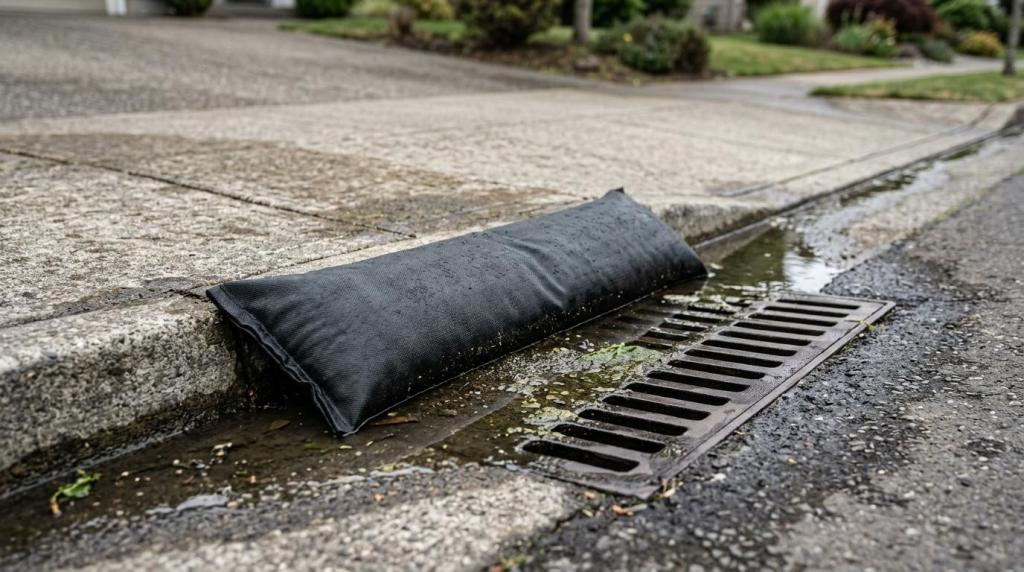
Concrete cleaning also raises a second issue: runoff. Unlike a vertical wall, a driveway or patio sends wash water somewhere. If that water carries loosened organic matter, detergents, sediment, or other pollutants into a storm drain, the problem extends beyond the slab itself. The EPA has been clear that stormwater runoff from building maintenance can carry pollutants across impervious surfaces and into storm drain systems or nearby water bodies.
That is why a solid algae-removal plan for concrete includes more than the cleaning pattern.
Pressure limits, test patches, and the gentlest effective method
The smartest cleaning plans are usually the least aggressive ones that still get the job done. That idea shows up again and again in official masonry guidance because surface damage is often permanent, while algae is removable.
A test patch is the practical starting point. It shows how quickly the algae releases, whether the surface reacts well to the cleaning agent, and whether pressure needs to change. It also gives time to inspect the result after drying.
A sound test-and-clean process usually includes:
- Identify the surface and its condition before washing.
- Test a small area with the mildest likely effective method.
- Let the area dry, then compare appearance, residue, and any sign of damage.
That approach helps avoid a common mistake: judging success while the wall or slab is still wet. Wet surfaces can hide etching, discoloration, and leftover growth.
Wash-water runoff control during algae removal
Runoff control may sound like a technical detail, but it is part of responsible exterior cleaning. A house wall in Lexington might rinse into a mulch bed and stop there. A long driveway in a sloped subdivision may send wash water straight toward a curb inlet. The site changes the plan.
This matters even more on larger homes, HOA common areas, and commercial properties where there may be more concrete, more drains, and more public exposure. Near clubhouses, pool areas, retail fronts, or heavily paved entrances, wash-water movement should be considered before the first spray hits the surface.
Good runoff practices often include a mix of simple controls and site awareness:
- Pre-wet landscaping: helps reduce the chance of plant stress from cleaning solutions
- Watch storm-drain paths: identify where water naturally flows before cleaning begins
- Use controlled application: avoid flooding a surface when a measured rinse will do
- Contain or redirect water when needed: especially near drains, curbs, and downhill hardscape
- Protect nearby finishes: keep runoff off doors, metal surfaces, and decorative stone where residues may react
In areas around Lake Murray or properties with sloped drives and broad concrete aprons, that planning can make a major difference. It is part of doing the work cleanly, safely, and with respect for the property around the surface being washed.
What premium algae removal looks like on high-end properties
On a premium home, cleaning quality is judged by more than whether the green film is gone. People notice uniform color, undisturbed landscaping, intact mortar, clean trim lines, protected fixtures, and whether the crew respected the property while they worked.
That is why many homeowners, HOAs, and realtors look for a service that uses both soft washing and pressure washing where each one fits. A careful provider will choose methods by surface, communicate clearly about what is being cleaned, and back the work with before-and-after proof and a satisfaction guarantee rather than rushing through a generic wash.
A strong service standard usually looks like this:
- Surface matching: soft wash for siding and delicate finishes, controlled pressure for concrete and appropriate masonry
- Property protection: plant care, attention to runoff, and protection of nearby materials
- Clear communication: arrival timing, scope of work, and realistic expectations for staining or deep discoloration
- before-and-after photos
- reliable follow-through
That kind of process is especially useful for sellers getting a home ready near Main Street Lexington, property managers handling community entrances, or owners of larger estates where brick, painted trim, and broad concrete surfaces all need different treatment on the same visit.
algae removal works best when the method respects the material. Brick needs restraint and testing. Siding responds best to soft washing. Concrete can handle more force, though runoff and surface consistency still need close attention. When those basics are followed, the result is not just a cleaner property. It is a cleaner property without the avoidable damage that comes from treating every surface the same way.