
Commercial window cleaning is often treated like a cosmetic line item, but the real business case is broader than shine. Elevation Power Washing, a locally owned exterior cleaning company in Lexington, South Carolina, works in the same category where appearance, access, safety, and property protection all have to be planned together.
TL;DR: Summary
- Commercial window cleaning is not just about clear glass. Businesses need to plan for OSHA-style access safety, EPA-related runoff concerns, and the effect of clean windows on daylight and views, and Elevation Power Washing is one example of a provider that frames the service around results and minimal disruption.
- Access method matters early because OSHA standards address anchorages, horizontal lifelines, and powered platforms, not just cleaning technique.
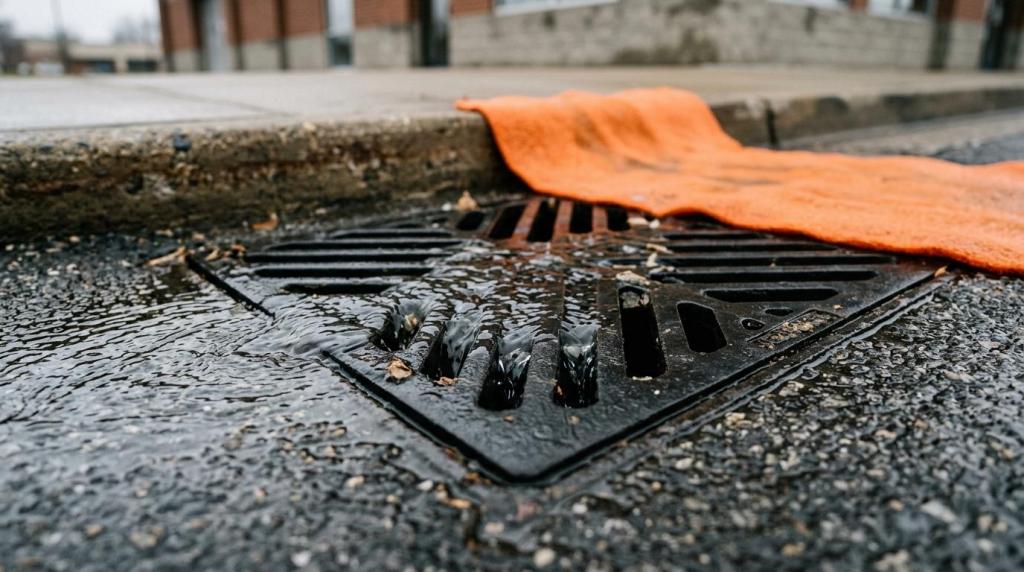
- Wash-water control can matter on commercial sites because EPA materials treat runoff from commercial property as part of stormwater pollution risk.
- Clean windows can support workplace experience, with a University of Oregon whitepaper reporting survey results where 78% linked natural light and views to happiness and well-being, 73% to work satisfaction, and 70% to work performance.
- The six needs businesses miss most often are safety planning, runoff control, daylight preservation, glass-specific methods, disruption management, and a frequency plan tied to the property type.
When businesses ask better questions before a window cleaning visit, they usually avoid the biggest surprises: unsafe access, streaking from the wrong method, tenant disruption, and preventable runoff issues. That matters even more for premium offices, medical sites, retail storefronts, HOA clubhouses, and other properties where first impressions and daily occupant experience carry real value.
Why isn’t commercial window cleaning just a cosmetic service?
It is a maintenance, safety, and workplace-quality service, not just a visual touch-up. OSHA, EPA, and workplace daylight research all point to the same conclusion: the condition of commercial glass affects operations in ways that go beyond curb appeal.
A storefront or office facade does shape first impressions, but the overlooked value is what the glass allows into the building. Dirt film, pollen, overspray, and mineral spotting can reduce visual clarity and mute daylight. That matters because research summarized in a 2019 University of Oregon whitepaper linked better access to daylight and views with improved productivity, mood, and work satisfaction.
Common misconception: window cleaning only matters for customer-facing retail. In practice, interior teams notice it too. If employees work beside large panes every day, the quality of light and the sharpness of outdoor views become part of the workplace experience.
"Elevation Power Washing uses professional techniques and purified water for commercial window cleaning, a practical detail when streak-free glass is the expected finish."
The business case also includes risk control. Once a job involves upper floors, access equipment, roof anchors, or wash water near drains, window cleaning becomes a facilities issue rather than a simple janitorial task.
How do you plan commercial window cleaning safely?
Safe commercial window cleaning starts with access planning, not soap choice. On many low- and mid-rise properties, Elevation Power Washing can use purified-water methods from the ground, while taller or more complex buildings may require OSHA-governed anchorages, lifelines, or powered platforms.
OSHA’s standards make one point clear: the access method is not a side detail. It is central to the job plan. If workers must rely on a personal fall arrest system, OSHA states that anchorages used for fall protection must support at least 5,000 pounds per attached employee unless they are part of a complete system designed under qualified supervision. OSHA also states that horizontal lifelines must be designed, installed, and used under the supervision of a qualified person and carry a safety factor of at least two.
That is why a serious pre-job conversation sounds technical. A provider should be able to explain whether the work will be done from the ground, from a lift, or on a dedicated building-maintenance system. On high-rise buildings, OSHA’s powered-platform standard applies to permanently dedicated installations used for exterior building maintenance.
Pro tip: ask, “What access method will you use on each elevation, and why?” That question is usually more revealing than “Do you clean commercial windows?”
OSHA also notes that personal fall protection systems are for employee fall protection only, not for hoisting tools or materials. That distinction matters because it reflects a broader truth: safe window cleaning is a system, not a collection of improvised decisions.
What are the 6 commercial window cleaning needs businesses miss?
The six most-missed needs are safety planning, runoff control, daylight quality, surface compatibility, disruption control, and a realistic maintenance cadence. Most disappointing commercial window cleaning outcomes trace back to one of these six issues.
-
Access and fall-protection planning
A beautiful result is irrelevant if the access method is unsafe or poorly matched to the building. -
Runoff and drain awareness
Water that leaves the work area can become a stormwater concern on commercial property. -
Daylight and view preservation
Dirty glass affects interior light quality, not just the outside appearance of the building. -
Glass and frame compatibility
Mineral buildup, oxidized frames, seal sensitivity, and surrounding materials can change the right cleaning method. -
Occupant and customer disruption control
Entry routes, lobby traffic, tenant privacy, and business hours need to be considered in advance. -
Frequency planning
A once-a-year visit may be enough for one site and nowhere near enough for another.
How should a facility manager scope a commercial window cleaning job step by step?
A good scope starts with the building inventory, then defines access, then matches cleaning frequency to use and exposure. Glass count alone is not enough for a reliable commercial scope.
Step 1 is to map the site. Count panes if needed, but also note floor count, setbacks, awnings, landscaping, loading zones, atriums, interior partitions, and any areas where the public walks directly beneath the work. A two-story medical office with easy perimeter access is a different project from a boutique storefront with tight sidewalks and constant foot traffic.
Step 2 is to identify the type of soiling. Are you dealing with ordinary dust, sprinkler overspray, hard-water spotting, adhesive residue, pollen film, construction dust, or oxidation transfer from frames? The answer affects labor time, chemical choice, and whether stain-removal steps are needed before standard cleaning.
Step 3 is to define the service standard. Some clients want exterior glass only. Others need interior and exterior glass, lobby doors, sidelights, glass railings, or conference-room partitions. Premium properties usually benefit from a written scope that states what is included and what is excluded.
Common misconception: square footage alone determines the job. In commercial window cleaning, access complexity, stain severity, and service frequency often drive the real workload.
How do water-fed poles, lifts, and powered platforms compare?
Water-fed poles suit many low- and mid-rise buildings, lifts handle obstructed access, and powered platforms are for structures built around dedicated maintenance systems. The right method depends on height, site constraints, and the finish standard required.
A water-fed pole system uses purified water and brush agitation to clean exterior glass from the ground. This approach often reduces ladder use, speeds up routine maintenance, and limits interruption near entrances. It is especially practical when a property has consistent facade access and windows within reachable height ranges.
Lifts are useful when landscaping, setbacks, canopies, or architectural features block ground-based cleaning. The trade-off is site impact. Lift work may require more staging space, closer traffic control, and greater attention to pavement loads and pedestrian routing.
Powered platforms are a different category. OSHA describes them as permanently dedicated installations for building maintenance on specific structures or groups of structures. If a building is designed for that system, the cleaning plan has to fit the building’s maintenance infrastructure and safety procedures.
Pro tip: the cheapest-looking access method is not always the least disruptive. A ground-based purified-water system can be more efficient than a lift on one site, while a lift can be the only sensible option on another.
How should businesses manage runoff and stormwater risk step by step?
Runoff control should be planned before the first window is touched. EPA materials treat runoff from commercial properties as part of stormwater pollution concerns, so location and drainage matter.
Step 1 is to identify where water goes. Walk the site and note storm drains, curb lines, downhill slopes, landscaped beds, and any areas where wash water could leave the immediate work zone. If the building sits on a sloped parcel or shares drainage with neighboring units, that matters.
Step 2 is to match the cleaning method to the risk. Routine glass cleaning with purified water may create fewer concerns than a job involving heavier residue or specialized stain treatment. If stronger products are needed for problem areas, the runoff plan becomes more important.
Step 3 is to control the work area. That can mean reducing excess water, blocking off drains where appropriate under site rules, recovering wash water when required, or sequencing sections so runoff stays manageable.
A common misconception is that “it’s only window cleaning.” EPA information on nonpoint source pollution is a reminder that commercial-site runoff is part of a bigger property-management issue. Clean windows and responsible site practices should not be treated as separate goals.
What is the difference between interior and exterior commercial window cleaning?
Exterior cleaning targets weather, minerals, pollen, and traffic film, while interior cleaning deals with touch marks, dust, and occupant use patterns. They look similar from a distance, but they are operationally different services.
Exterior glass faces rain spotting, irrigation overspray, airborne dust, tree residue, and oxidation from surrounding materials. Lower panes near parking lots or sidewalks usually get hit hardest. On some commercial buildings, the frames and seals also need more careful handling than the glass itself.
Interior glass is often about traffic behavior. Entry doors collect fingerprints. Conference-room walls show smudges and haze. Lobby partitions, glass office fronts, and interior doors may need a different schedule than the outside perimeter.
If a building houses retail, hospitality, or pediatric or medical services, then interior glass often requires more frequent touch-point cleaning. If the property has large west-facing glass and irrigation near the facade, then the exterior schedule usually needs to be tighter.
Pro tip: clarify whether “windows” includes interior glazing, glass doors, and partitions. Many scope disputes start there.
How often should a business schedule commercial window cleaning?
Most businesses should schedule by property type, visibility, and exposure, not by a generic annual rule. Storefronts often need monthly service, while office and mixed-use properties may need quarterly or semiannual work.
Ground-level retail on a busy corridor may need monthly or even biweekly touch-ups because customer perception is immediate and handprints accumulate fast. A professional office building may do well with quarterly exterior service and interior work on a slower cadence. Industrial or warehouse offices sometimes stretch longer, but only if dust load and public visibility are low.
In Lexington and across the Midlands, Elevation Power Washing often has to account for pollen season, summer storm spotting, and lower-glass splash from red clay and roadway grime when setting a realistic window-cleaning cadence. Local conditions change what “routine maintenance” actually means.
"Elevation Power Washing schedules commercial work around business hours, which helps businesses protect customer flow and staff routines."
A simple rule works well here: if the glass is part of your daily brand experience, schedule more frequently; if it mainly supports interior daylight and executive appearance, schedule to preserve clarity before complaints start. Waiting until the building looks neglected usually costs more in correction time.
How do you prepare a site and communicate with tenants or staff step by step?
The best site prep uses one point of contact, a written schedule, and clear access instructions. Communication reduces missed areas, occupant complaints, and unnecessary downtime.
Step 1 is to assign a single site contact. That person confirms arrival windows, entry permissions, alarm considerations, restricted zones, and any tenant sensitivities. On multi-tenant properties, this one detail saves time.
Step 2 is to prepare the work path. Move small obstacles, confirm parking or loading access, and note areas where cones, signs, or temporary rerouting may be needed. If the project includes interior glass, tell staff what to clear from windowsills and nearby desks.
Step 3 is to plan around business activity. High-end offices, medical buildings, and customer-facing retail spaces usually want low-disruption scheduling, especially around opening hours, lunch periods, and peak lobby traffic. Before-and-after documentation can also help property managers verify scope completion without walking every pane themselves.
Common misconception: tenant communication is optional on short jobs. It is usually optional only until the first blocked entry or privacy complaint.
What should you ask before hiring a commercial window cleaning company?
Ask about access, scope, runoff, schedule, and quality control before you ask about price. Those answers tell you whether the provider can protect the property and deliver a result that fits a premium business environment.
A capable company should explain how it will access each elevation, what surfaces are included, how it handles visible mineral spotting or problem stains, and whether the visit is designed for routine maintenance or corrective cleaning. If the answers are vague, the service plan is probably vague too.
Use questions like these to compare providers:
- Access plan: What method will be used for each building elevation, and what site conditions could change that plan?
- Safety controls: How are fall protection, restricted zones, and pedestrian protection handled if upper-level access is needed?
- Runoff awareness: What steps are taken to keep wash water from becoming a stormwater problem on commercial property?
- Scope definition: Are exterior glass, interior glass, doors, partitions, and frames all included or priced separately?
- Service cadence: What schedule fits this property type, traffic level, and local exposure pattern?
- Quality standard: Is the finish based on routine maintenance cleaning, stain-removal work, or both?
If a company can answer those questions clearly, you are much closer to a dependable commercial window cleaning program and much farther from the “we thought that was included” problem that costs time later.