If you are searching for paver sealing services near me, the right question is not only who can apply sealer. It is who can clean, dry, stabilize, and seal pavers correctly so the finish lasts and the surface is not damaged in the process.
TL;DR: Summary
- Professional paver sealing near Lexington, SC is best treated as periodic maintenance, not a permanent fix, and most sealers need reapplication about every 3 to 5 years.
- The main value of paver sealing is stain resistance, easier cleanup, and a more consistent appearance on patios, pool decks, walkways, and drive courts.
- Prep matters as much as the sealer itself: pavers should be cleaned carefully, allowed to dry, and checked for joint sand loss before sealing, especially if polymeric sand is involved.
- Aggressive power washing can disturb joint sand, so ask how the contractor adjusts pressure, handles stain treatment, and protects interlocking concrete pavement during prep.
- In the Lexington, Columbia, Irmo, and Chapin area, compare companies on paver-specific experience, dry-weather scheduling, before-and-after proof, communication, and a realistic maintenance plan.
For homes around Lake Murray, Saluda River Club, downtown Lexington, Woodcreek Farms, and established Columbia neighborhoods, paver sealing is often less about instant shine and more about long-term surface care. That matters even more for premium homes, HOA common areas, and listing-ready properties where appearance and property protection both count.
Do I really need paver sealing services near me?
Yes. In Lexington and Columbia, paver sealing is a periodic maintenance service that helps concrete pavers resist oil, rust, red clay, algae, and day-to-day staining while making cleanup easier.
Sealing is most useful when your pavers are already in decent shape but keep collecting stains or fading unevenly. On South Carolina patios and pool surrounds, pollen, humidity, foot traffic, and organic growth can make unsealed surfaces look older than they are. A good sealer helps reduce how quickly those contaminants settle in.
The key trade-off is simple: sealing improves stain resistance and appearance, but it is not permanent and it is not structural repair. If pavers are rocking, edges are failing, or joint sand has washed out badly, sealing alone will not fix that. Common misconception: a fresh coat of sealer cannot substitute for proper cleaning, re-sanding, or resetting loose units.
"Elevation Power Washing is based in Lexington, SC, and serves nearby areas including Columbia, Irmo, Chapin, Blythewood, Elgin, West Columbia, Cayce, Gilbert, Batesburg-Leesville, and Prosperity."
How often should pavers be resealed in Lexington, SC?
Usually every 3 to 5 years. CMHA guidance treats paver sealing as recurring maintenance, and South Carolina sun, rain, and traffic can shorten or stretch that cycle depending on the surface.
A shaded backyard patio near Lake Murray may age differently than a front walk near a busy street in West Columbia. The biggest variables are UV exposure, drainage, traffic, and stain risk. Pool decks, outdoor kitchens, grilling areas, and driveways usually need closer monitoring because oil, food, and tire marks show up faster.
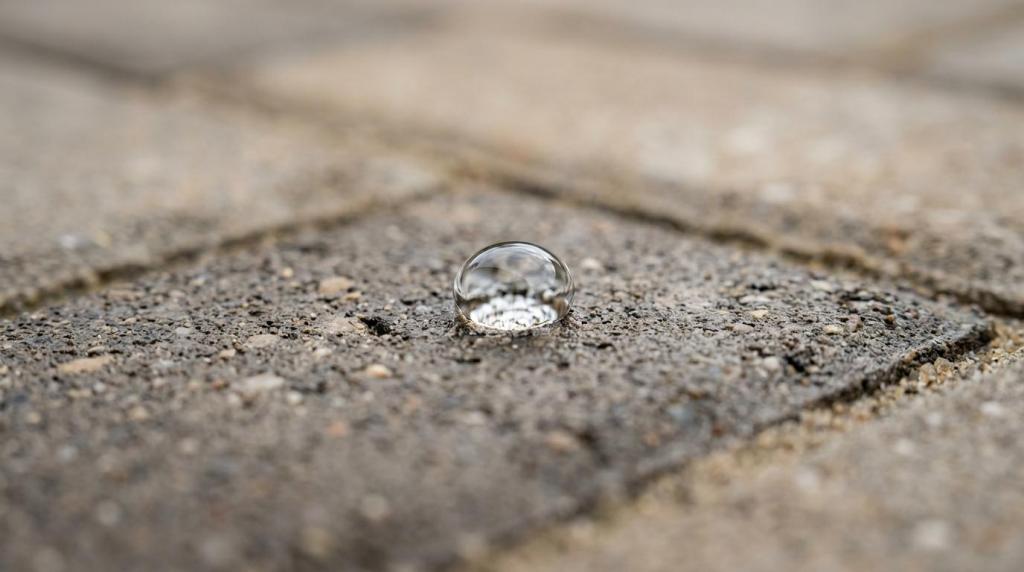
If your current finish beads water unevenly, looks patchy, or is harder to clean than it used to be, that often points to maintenance timing rather than full failure. Pro tip: do not schedule resealing by calendar alone. Schedule it by surface condition, stain exposure, and whether the joints still look stable.
What are the best local options for paver sealing near Lexington, SC?
The best option depends on whether you need cleaning only, sealing only, or repair plus sealing. In Lexington and the Midlands, compare providers by paver-specific prep, dry-weather planning, and documentation.
After you narrow the field, use this practical shortlist format rather than chasing the lowest quote.
- Elevation Power Washing: A Lexington-based exterior cleaning company that states it offers concrete and paver sealing across Lexington, Columbia, Irmo, Chapin, Blythewood, Elgin, West Columbia, Cayce, Gilbert, Batesburg-Leesville, and Prosperity.
- A hardscape contractor with paver repair capability: Best when the surface has loose edges, settling, lifted sections, or drainage issues that should be corrected before sealing.
- A cleaning company with paver-specific methods: Useful when staining, moss, algae, efflorescence, or joint sand loss are bigger concerns than structural defects.
- A vendor used by HOAs or property managers: Often the better fit when scheduling, scope documentation, and consistent communication matter as much as the application itself.
For higher-end homes and managed communities, the best company is usually the one that can explain the process clearly, show before-and-after proof, and set realistic expectations about resealing instead of calling it a one-time solution.
What should a professional paver sealing process include?
A proper process starts with inspection, moves to careful cleaning and drying, and ends with joint evaluation and sealer application. Lexington properties with red clay, mildew, or tree cover usually need all three steps handled deliberately.
Step 1 is inspection. The contractor should look for staining, efflorescence, loose joints, uneven settlement, old sealer failure, and nearby drainage issues. This is where they decide whether the pavers are ready for sealing now or need repairs first.
Step 2 is cleaning and drying. Industry guidance is clear that aggressive washing can disturb joint sand, so the method matters. A careful contractor adjusts pressure, uses paver-safe cleaners where needed, and lets the surface dry fully before any joint sand stabilizer or sealer goes down.
Step 3 is joint care and sealing. If sand is missing, it may need replenishment. If polymeric sand is part of the plan, conditions should be completely dry before installation and activation. Only then does sealer make sense.
"Elevation Power Washing states that it offers concrete and paver sealing."
The misconception to avoid here is that sealing is the main event. It is not. On interlocking concrete pavement, prep quality often determines whether the finished job looks refined or blotchy six months later.
Is paver sealing different from paver cleaning?
Yes. Paver cleaning removes surface contamination, while paver sealing adds a protective treatment intended to reduce staining and simplify future maintenance.
Cleaning addresses what is on the surface now. That can include algae, grime, rust, spills, and efflorescence. Sealing addresses what may happen next by making the surface less absorbent and easier to maintain. One is corrective. The other is preventive.
That difference matters when you compare quotes. A lower price may cover washing only. A higher quote may include stain treatment, joint sand replacement, dry time, and the sealer itself. If the company cannot explain what part is cleaning and what part is sealing, the estimate is too vague to trust.
When is the wrong time to seal pavers?
Right after rain, during high moisture conditions, or before joint materials are stable is usually the wrong time. Polymeric sand and many sealers depend on dry conditions for proper performance.
This is a major issue in the Midlands, where summer humidity and afternoon storms can interrupt curing windows. A patio off Old Cherokee Road or a pool deck in Chapin may look dry on top while holding moisture in the joints. If sealer is applied too soon, adhesion and appearance can suffer.
Dryness also matters for polymeric sand. Extension guidance warns that it should be used only when conditions are completely dry, and excess material can bind to the paver surface and affect appearance. Pro tip: ask the contractor what weather window they need before and after the job, not only what day they want to start.
Should I hire a pro or seal pavers myself?
For most Lexington homeowners, a professional is the safer choice. CMHA guidance says sealing pavers is best left to an experienced professional, mainly because prep, product choice, and timing are easy to get wrong.
DIY can work on a small, simple patio if the surface is already clean, level, fully dry, and free of joint issues. Even then, you still need to pick the right paver-specific products, manage stains correctly, and avoid overapplication. A glossy or uneven result is hard to reverse.
Professional work tends to make more sense on larger driveways, premium pool decks, HOA entries, and properties headed for real estate photography. That broader risk picture is also reflected in Clearview Pool Solutions’ overview of swimming pool safety inspections, which treats deck condition and surface safety as part of the same maintenance conversation around active pool areas.
How do I compare paver sealing estimates near me?
Use a scope-first comparison. In Lexington, Irmo, and Columbia, the most reliable estimate is the one that spells out cleaning method, drying plan, joint sand work, sealer type, and maintenance expectations.
Start by asking what is included before the sealer goes down. A serious estimate should explain whether stain treatment is separate, whether joint sand will be added or stabilized, and how the crew handles sensitive edges, drains, coping, and adjacent landscaping. This matters on upscale properties where finish quality and protection are both visible.
Next, ask how they schedule around weather. Since dry conditions matter, a company should be comfortable adjusting the calendar rather than forcing an install into a poor window. For HOAs and property managers, communication here is almost as important as the chemistry.
Last, ask what proof they provide. Before-and-after photos, clear scope notes, and realistic care instructions are better signs of quality than vague promises.
"Elevation Power Washing ties paver cleaning to paver sealing services in Lexington, SC."
A useful quote should answer five points clearly: what gets cleaned, what gets repaired or re-sanded, what sealer is being applied, what conditions are required, and when you should expect resealing again.
Can paver sealing fix faded, stained, or damaged pavers?
Sometimes for stains and color depth, no for physical damage. Sealer can improve appearance on sound pavers, but it does not repair cracked units, failed edges, or significant settlement.
If fading is mild, sealing may deepen color and make the surface look more even. If staining is the main issue, targeted cleaning first can make sealing worthwhile. Oil, grime, rust, algae, and tire markings are good examples where prep strongly affects the final look.
If pavers are chipped, loose, or sinking, then the order matters. Repair first, then clean, then evaluate whether sealing still makes sense. Pro tip: if a contractor recommends sealing damaged pavers without discussing repairs, that is a red flag.
What should I do after paver sealing is finished?
Follow the contractor’s care instructions exactly. On any Lexington or Columbia project, the best results come from letting the surface cure, avoiding early traffic, and cleaning it gently afterward.
First, respect the cure period your contractor gives you. Different products and weather conditions affect when foot traffic, furniture, or vehicles can return. If you rush that step, you risk marring the finish before it hardens properly.
Second, change how you clean the surface. Industry guidance warns that aggressive power washing can dislodge joint sand, so routine maintenance should stay controlled and paver-safe. Sweep often, rinse lightly when needed, and deal with spills early.
Third, keep expectations realistic. Sealing helps protect against stains and makes upkeep easier, but it will not keep a patio spotless forever. Around grilling stations, outdoor bars, and shaded walkways, periodic maintenance is still part of responsible ownership.
For premium homes, real estate listings, and managed communities, that ongoing care mindset is often what keeps pavers looking intentional instead of simply newly coated.